North East Devolution Deal Roundup
While we were all opening our presents, the ultimate Christmas wish was granted for North East leaders as the £4bn devolution deal was finally agreed on December 28 2022. It’s thought the deal will be a huge stepping stone towards truly ‘levelling up’ the region.
Not got time to read the full article? Download our PDF report here.
—–
Introduction
This would mean a significant shake-up of the North East’s political landscape, with a new mayor to be elected in 2024 to serve the two million people living in Northumberland, Tyne and Wear and County Durham – mending a divide between the north and south of the region.
The deal has ambitions to create 24,000 new jobs, and deliver 70,000 courses per year to give people the skills to gain good employment and leverage £5bn of private sector investment.
We’ve pulled together a roundup of opinions and insights from some of the key business and political leaders in the North East, to give you a flavour of the reception the devolution deal has received so far.

What does it include?
Before we jump into it, here’s a brief overview of what is to be included in the ground-breaking £4.2bn devolution deal:
- A new Mayoral Combined Authority (MCA) – and therefore elected Mayor – for the seven local authorities; Durham County Council, Gateshead Council, Newcastle City Council, North Tyneside Council, Northumberland County Council, South Tyneside Council and Sunderland City Council, instead of the three currently covered by the North of Tyne deal
- Transport powers, including over bus franchising (a contentious subject – a similar Quality Contract scheme arrangement was rejected in 2015) and the Tyne & Wear Metro, and co-operation with national bodies on local rail improvements
- An investment fund of £48m per year, as well as the new MCA administering the UK Shared Prosperity Fund in the region (UK SPF is the fund replacing EU money)
- Powers and funding for skills – especially adult skills – linked to employment needs in the region
- Funding for housing, in particular brownfield developments (these can often be expensive and unviable otherwise due to clean-up costs)
- An uncertain future for the North East Local Enterprise Partnership (LEP), which will be rolled into the MCA – the wind-down of the LEPs had been announced, but with the geographies aligning, we now know how that’s going to happen
- More alignment between the new mayor and the Police and Crime Commissioner (PCC) – meaning the mayor could take on some of the usual responsibilities of the PCC. The current PCC is Kim McGuiness, who is also expected to run for the new mayor role
What does it include?
Before we jump into it, here’s a brief overview of what is to be included in the ground-breaking £4.2bn devolution deal:
- A new Mayoral Combined Authority (MCA) – and therefore elected Mayor – for the seven local authorities; Durham County Council, Gateshead Council, Newcastle City Council, North Tyneside Council, Northumberland County Council, South Tyneside Council and Sunderland City Council, instead of the three currently covered by the North of Tyne deal
- Transport powers, including over bus franchising (a contentious subject – a similar Quality Contract scheme arrangement was rejected in 2015) and the Tyne & Wear Metro, and co-operation with national bodies on local rail improvements
- An investment fund of £48m per year, as well as the new MCA administering the UK Shared Prosperity Fund in the region (UK SPF is the fund replacing EU money)
- Powers and funding for skills – especially adult skills – linked to employment needs in the region
- Funding for housing, in particular brownfield developments (these can often be expensive and unviable otherwise due to clean-up costs)
- An uncertain future for the North East Local Enterprise Partnership (LEP), which will be rolled into the MCA – the wind-down of the LEPs had been announced, but with the geographies aligning, we now know how that’s going to happen
- More alignment between the new mayor and the Police and Crime Commissioner (PCC) – meaning the mayor could take on some of the usual responsibilities of the PCC. The current PCC is Kim McGuiness, who is also expected to run for the new mayor role
What does it include?
Before we jump into it, here’s a brief overview of what is to be included in the ground-breaking £4.2bn devolution deal:
- A new Mayoral Combined Authority (MCA) – and therefore elected Mayor – for the seven local authorities; Durham County Council, Gateshead Council, Newcastle City Council, North Tyneside Council, Northumberland County Council, South Tyneside Council and Sunderland City Council, instead of the three currently covered by the North of Tyne deal
- Transport powers, including over bus franchising (a contentious subject – a similar Quality Contract scheme arrangement was rejected in 2015) and the Tyne & Wear Metro, and co-operation with national bodies on local rail improvements
- An investment fund of £48m per year, as well as the new MCA administering the UK Shared Prosperity Fund in the region (UK SPF is the fund replacing EU money)
- Powers and funding for skills – especially adult skills – linked to employment needs in the region
- Funding for housing, in particular brownfield developments (these can often be expensive and unviable otherwise due to clean-up costs)
- An uncertain future for the North East Local Enterprise Partnership (LEP), which will be rolled into the MCA – the wind-down of the LEPs had been announced, but with the geographies aligning, we now know how that’s going to happen
- More alignment between the new mayor and the Police and Crime Commissioner (PCC) – meaning the mayor could take on some of the usual responsibilities of the PCC. The current PCC is Kim McGuiness, who is also expected to run for the new mayor role
What does it include?
Before we jump into it, here’s a brief overview of what is to be included in the ground-breaking £4.2bn devolution deal:
- A new Mayoral Combined Authority (MCA) – and therefore elected Mayor – for the seven local authorities; Durham County Council, Gateshead Council, Newcastle City Council, North Tyneside Council, Northumberland County Council, South Tyneside Council and Sunderland City Council, instead of the three currently covered by the North of Tyne deal
- Transport powers, including over bus franchising (a contentious subject – a similar Quality Contract scheme arrangement was rejected in 2015) and the Tyne & Wear Metro, and co-operation with national bodies on local rail improvements
- An investment fund of £48m per year, as well as the new MCA administering the UK Shared Prosperity Fund in the region (UK SPF is the fund replacing EU money)
- Powers and funding for skills – especially adult skills – linked to employment needs in the region
- Funding for housing, in particular brownfield developments (these can often be expensive and unviable otherwise due to clean-up costs)
- An uncertain future for the North East Local Enterprise Partnership (LEP), which will be rolled into the MCA – the wind-down of the LEPs had been announced, but with the geographies aligning, we now know how that’s going to happen
- More alignment between the new mayor and the Police and Crime Commissioner (PCC) – meaning the mayor could take on some of the usual responsibilities of the PCC. The current PCC is Kim McGuiness, who is also expected to run for the new mayor role
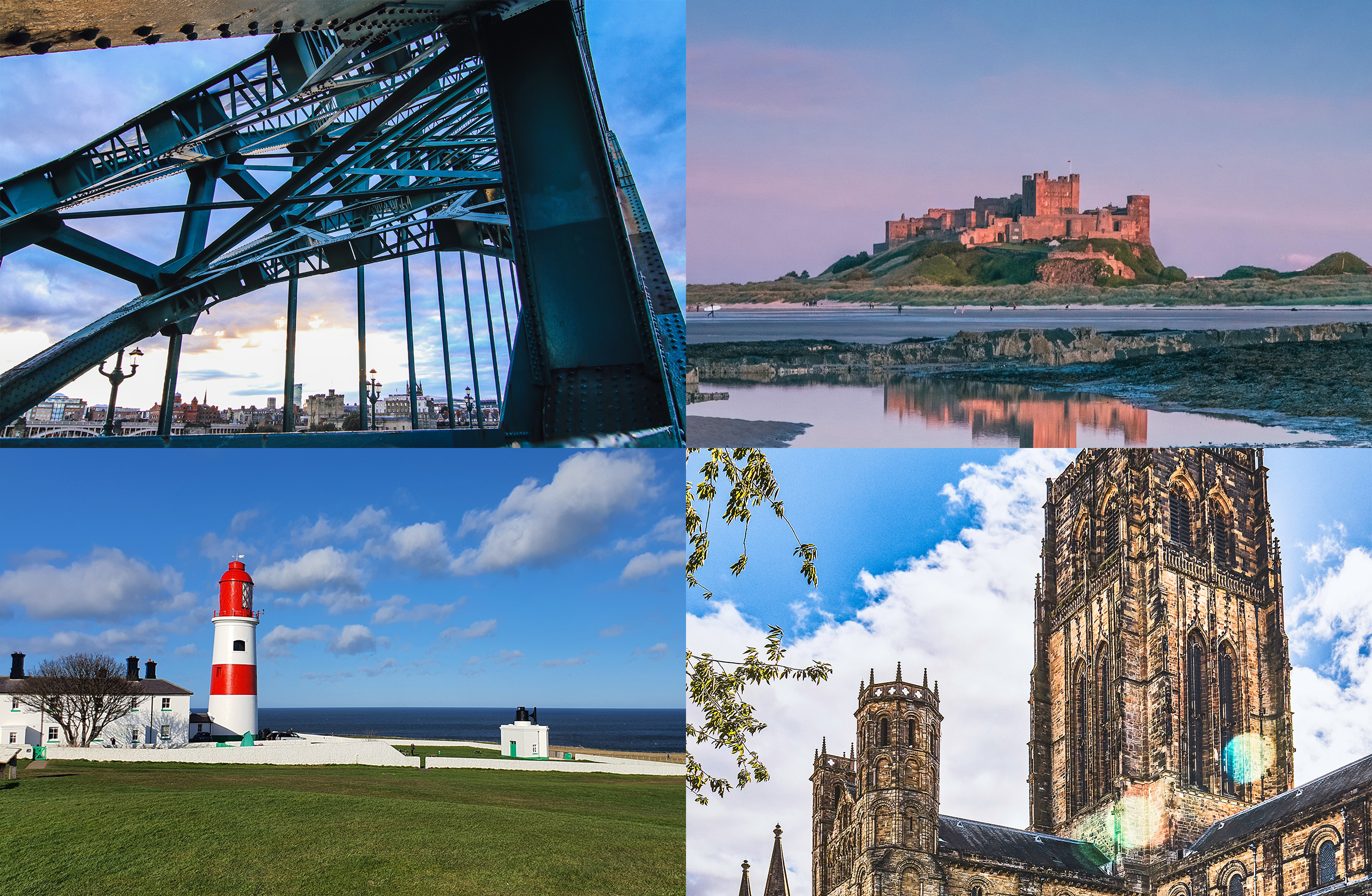
Jamie Driscoll,
North of Tyne Combined Authority Mayor
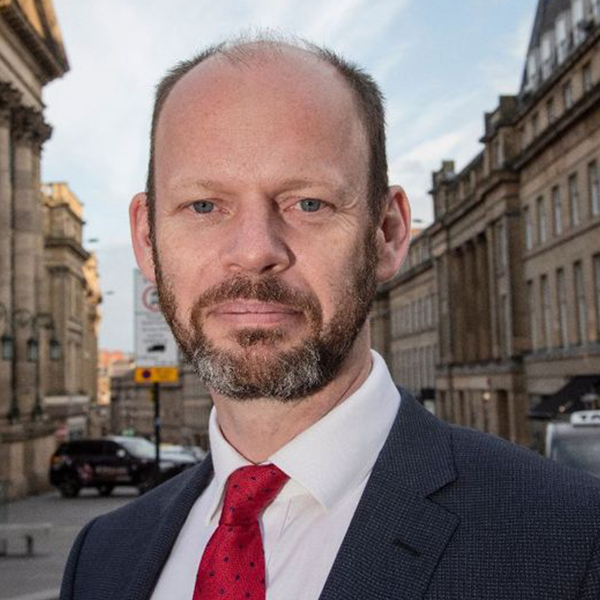
Jamie Driscoll, North of Tyne Combined Authority Mayor and front-runner to take on the new MCA role, highlighted that the deal is a step in the right direction but it can’t fix everything.
He stated in an interview with The Guardian’s Josh Halliday: “I think the solution lies in not only generating more wealth in the North East, but keeping it here. If we can get everyone a decent income in a worthwhile occupation, many of our other social ills will be alleviated. We’ll reap a long-term dividend from reduced demand on our NHS, the criminal justice system and social services – that benefits the whole country.
“The recognition from central government that decentralisation might give better results is a turning point. In the levelling up white paper, there was much talk of accountability for mayors and combined authorities. Bring it on!”

John McCabe,
Chief Executive of the North East England Chamber of Commerce
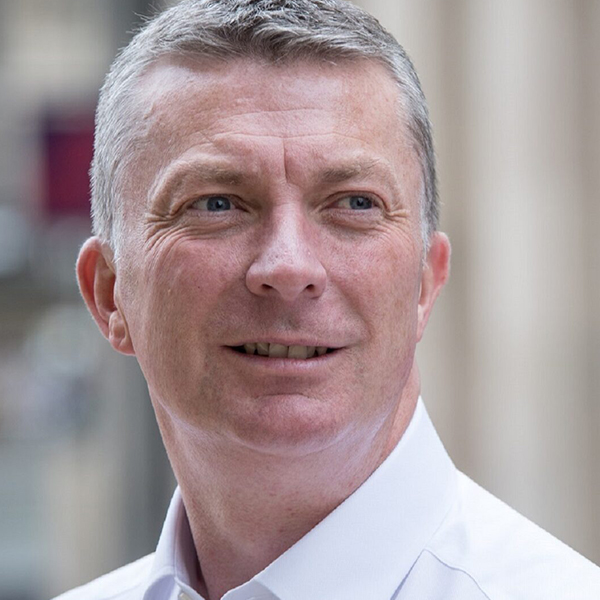
“Leaders from across Northumberland, Tyne and Wear and County Durham have worked tirelessly to get this settlement over the line. Throughout the business community there has been unwavering support for the advantages we know stronger devolution brings – the freedom to build projects, programmes and partnerships which truly deliver for the North East.
“County Durham’s inclusion is very warmly welcomed, we know the region will benefit hugely from this. It demonstrates bold, visionary leadership. Congratulations to everyone involved so far – this marks a real step change in opportunity and ambition for the region.”

Ben Houchen,
Tees Valley Mayor

After the devolution deal was announced, Tees Valley Mayor, Ben Houchen, was quick to rule himself out of the race to be the new North East Mayor, he said: “I won’t be standing for the North East position. I’ve got a much bigger job here.”
The Tees Valley had its own devolution deal which brought together five authorities back in 2017 – Darlington, Hartlepool, Middlesbrough, Redcar and Cleveland and Stockton. The deal secured £450m over the next 30 years for the region, plus a further £500m to invest in local projects. The Tees Valley Combined Authority will not be affected by the plans for the North East body as they will operate independently.

Sarah Glendinning,
The North East Director of the CBI

“The business community is clear about the benefits devolution has already brought to the region – from accelerating our green industries to improving business diversity and resilience. But we know more needs to be done, and now is the time to be bold.
“Today’s economic environment is a tough one but giving the region more powers can boost business confidence, unleash fresh creativity and dynamism, and unlock private investment needed to grow the North East’s visibility on the world stage. Our members have supported discussions every step of the way. They now stand ready to help make the North East an exemplar of ambitious, long-term collaboration between the public, private and voluntary sectors.”

David Taylor-Gooby,
Chair of the Overview and Scrutiny Committee at the North East Combined Authority

The devolution deal was not welcomed with open arms by everyone – some Durham politicians and residents believed they should have remained a separate entity.
However, David Taylor-Gooby was urging those who baulked at the idea of an elected mayor to get on board with the new ‘devo-deal’, he said: “The proposed new authority would cover from Durham to the Scottish borders. It would have direct control over bus services and local rail. There will be money to spend on developing affordable homes on brownfield (old industrial) sites, which are already allocated for housing – the local councils will still control development on greenfield land.
“There is much uninformed talk about Durham being controlled from Berwick, and local authorities being abolished. This simply is not true.”

Reshma Begum,
North East development manager at the Federation of Small Businesses

“Businesses of all sizes and across all sectors are clear on the benefits and opportunities devolution will have on the region.
“In the current challenging economic climate, giving local leaders the powers to decide our direction and act based on the needs of local people will increase business and consumer confidence, allowing the North East to unlock our potential and achieve our ambitions.
“New powers, resources and momentum will support SMEs and sole traders, which we know are central to thriving people and places, making the North East the ideal place to start and grow a business. The announcement is great news for the whole region, our businesses and our communities.”
Martin Gannon,
Gateshead Council Labour Chief

Martin Gannon is another who is hesitant about the £4.2bn deal. He was a vocal critic of a previous devolution deal for the region in 2016, which fell apart when Gateshead and then three other councils south of the Tyne pulled out.
Cllr Gannon said: “Whilst I welcome the prospect of a statutory authority with strategic powers across the seven authorities, let’s not run away with the idea that it’s a ‘good deal’, that it’s anywhere near ‘levelling up’.”

Like what you see?
Selected Works