The Future of Brand Storytelling: Why Authenticity Wins
In a world saturated with content, consumers have developed a finely tuned radar for anything that feels contrived.
Today’s audiences – especially Gen Z and Millennials – aren’t just buying products; they’re buying values, purpose, and shared identity.
As marketing noise increases, the brands that break through aren’t the loudest – they’re the most authentic.
From Control to Connection
The golden age of glossy, one-way advertising is over. Where brands once controlled their message tightly, storytelling now thrives in the messy, unpredictable world of human experience. Real stories – those that acknowledge imperfection, celebrate community, and champion transparency – are what build lasting connections.
Authenticity doesn’t mean “casual” or “unpolished” it means aligning what you say with what you do. It’s about consistency between purpose, product, and people.
Why Gen Z is the Current Obsession
Born between the mid-90s and early 2010s, Gen Z now holds significant buying power and cultural influence. They’re digital natives, fluent in meme culture, driven by values and deeply sceptical of anything that feels inauthentic.
Naturally, brands want in. And for good reason, this generation is shaping what’s next. But the challenge lies in doing it without alienating older Millennials, Gen X or Boomers, many of whom still drive the bulk of spending.
Brands Getting it Right
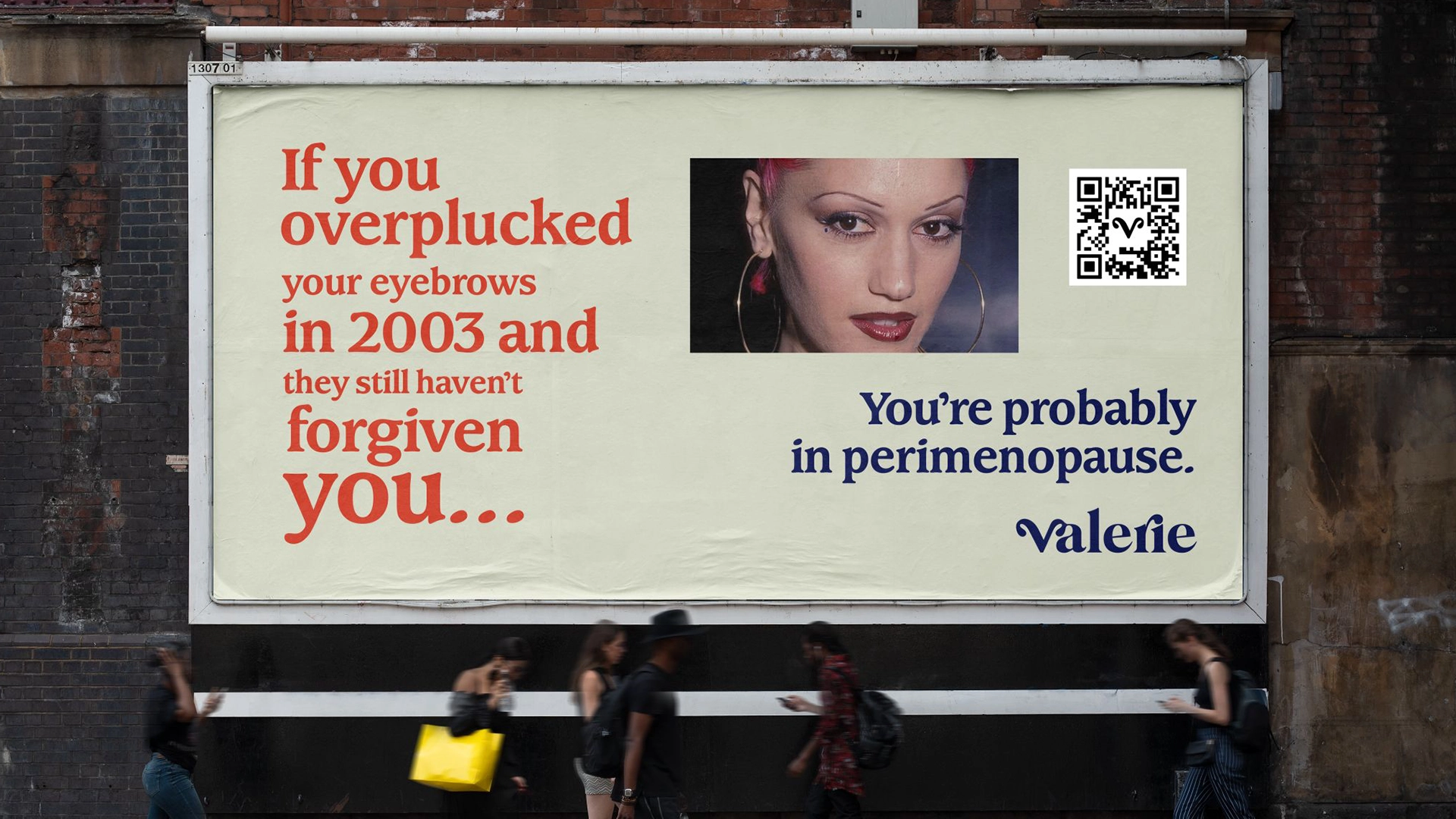
Valerie’s “You’re Probably in Perimenopause” campaign brought a refreshingly bold and relatable voice to a topic too often hidden in silence. Instead of leading with medical language or fear-based messaging, Valerie used nostalgia, humour, and cultural cues – think Juicy Tubes, pedal pushers, and glitter photo frames – to reach women in their 30s and 40s where they actually are: online, at wellness events, even in the loos at Ascot.
By remixing early-2000s references with real hormone “truth bombs,” the campaign reframed perimenopause as a shared experience rather than a private struggle. Its success lies in how it made women feel seen – transforming a life stage into a moment of connection, empowerment, and conversation.
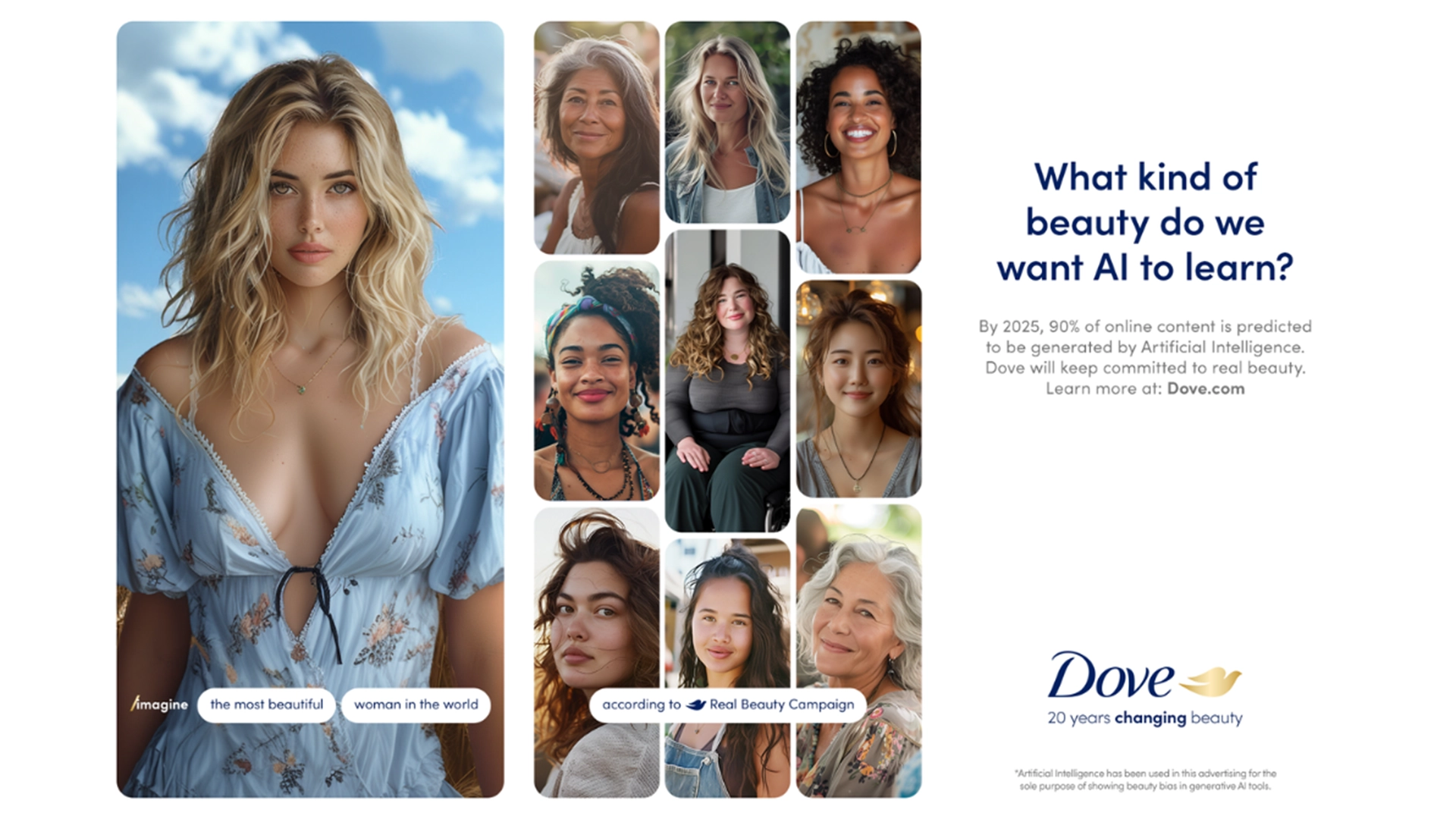
Dove’s “Keep Beauty Real” platform shows how long-term purpose builds enduring trust. In 2025, Dove evolved its iconic Real Beauty campaign with “The Code” – a bold commitment never to use AI to distort women’s images. Two decades after sparking global conversations about self-esteem and representation, Dove continues to champion authenticity in a digital age where image manipulation is effortless. The lesson? Building and consistently acting on a values-based brand platform can differentiate you – especially over time.
The Platform Trap
A lot of these missteps come down to misunderstanding the platform. What lands on TikTok won’t always translate on X, Instagram or YouTube. Each platform has its own tone, community norms and unwritten rules.
For example:
Maybelline’s viral video of a mascara tube riding the London Underground was quirky, surreal and perfectly pitched for TikTok. It didn’t need to say anything, the visuals did the work.
Duolingo’s TikTok persona is bold, bizarre and brilliantly on-brand. But they don’t try to replicate that exact tone across their email marketing or LinkedIn content, they adapt.
The British Library, unexpectedly, is a masterclass in multigenerational social content – using wit and history to engage everyone from Gen Z students to Boomers with a love for classic literature.
In short, success lies in platform-first thinking, not generation-first generalisation.
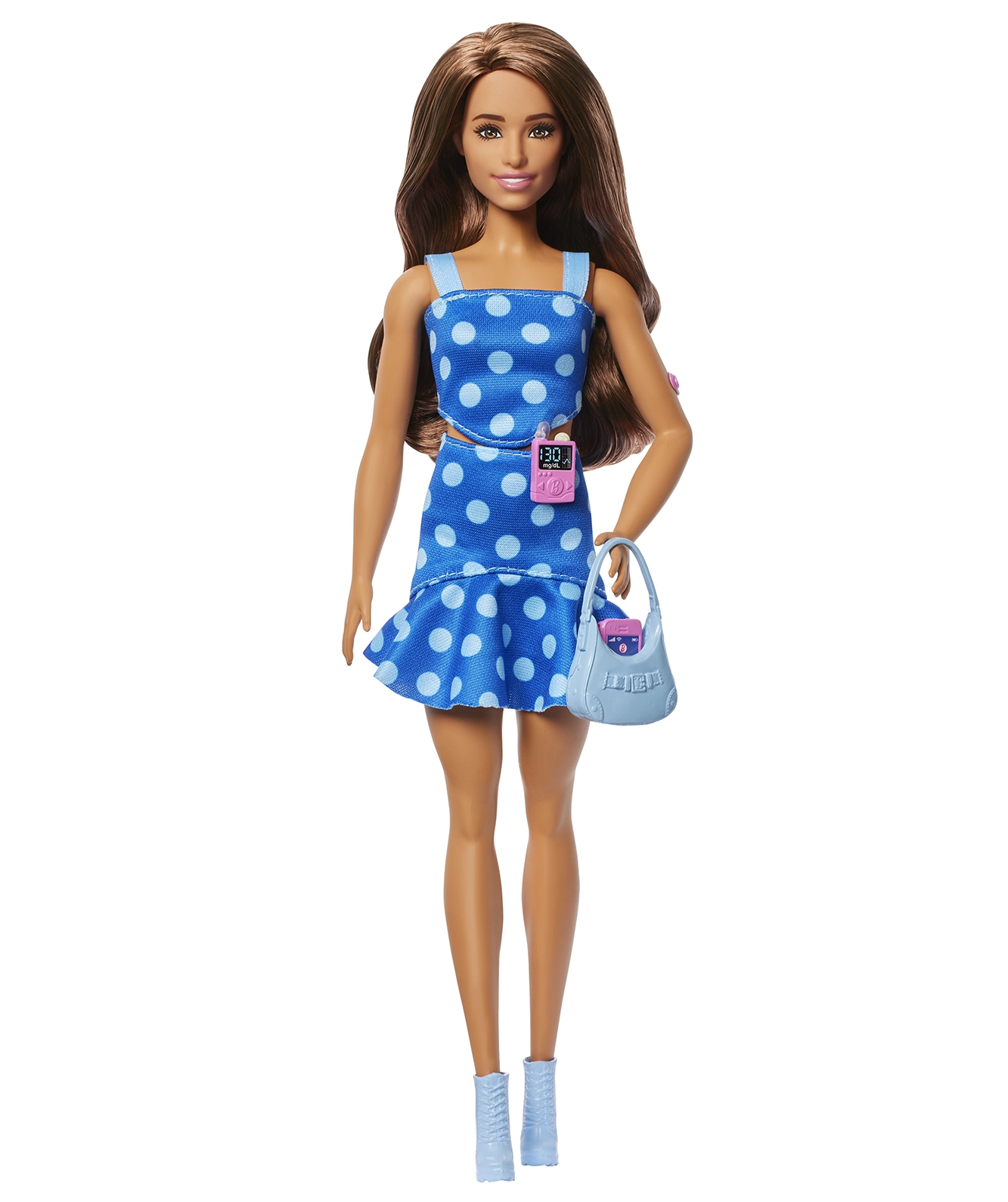
Barbie’s Type-1 Diabetes Doll marked another milestone in authentic, inclusive storytelling. Partnering with Breakthrough T1D, Mattel designed Barbie’s first doll with Type-1 diabetes – complete with realistic medical accessories like an insulin pump and continuous glucose monitor. More than just a product launch, the campaign incorporated insights from real families affected by diabetes and was celebrated widely for its empathy and representation. It was a moment of cultural leadership from a legacy brand proving that authenticity and inclusion resonate across generations.
Finally, Spotify’s “Wrapped 2024” campaign showed how data can be deeply human. Each year, Spotify turns listening habits into personal stories – celebrating individuality, connection, and community. The 2024 edition expanded this with shared playlists and creator spotlights, turning passive users into active participants. It’s a reminder that authenticity isn’t just about words - it’s about giving people ownership in the narrative.
Why it Works
Authentic storytelling works because it’s relatable. It reflects the realities, hopes, and contradictions of modern life. It also invites participation – encouraging consumers to see themselves as part of the story.
When brands are transparent about their challenges as well as their successes, audiences respond. Think of how Ben & Jerry’s takes public stances on social issues, or how Nike consistently aligns its messaging with athlete empowerment and equality. These narratives endure because they come from a place of conviction, not convenience.
Looking Ahead: Authenticity as Strategy
As we move into the next era of brand storytelling, AI and automation will continue to reshape how content is made and shared. But technology can’t fake sincerity. The brands that win will use these tools to amplify human truth – not to replace it.
For creative agencies, the opportunity lies in helping brands unearth their most genuine stories: the founder’s why, the customer’s lived experience, the team’s shared purpose. When those narratives are told with empathy and clarity, they don’t just attract attention, they build communities.
In the end, authenticity isn’t a tactic; it’s the foundation of meaningful storytelling. And in a crowded digital landscape, meaning is the ultimate differentiator.
Are you a brand Interested in discovering your most authentic self? Drop us a line or pick up the phone to us today, we’d love to help!
Get in touch
We’d love to chat!
Selected Works