Click, Scroll, Buy! What Retail Can Teach Us About Social-First Marketing
At Cool Blue, we’ve seen first-hand how quickly consumer behaviour can shift… and right now, nowhere is that more visible than in retail.
Platforms like TikTok, Instagram and even YouTube are no longer just about awareness or inspiration; they’ve become fully-fledged sales channels where customers discover, engage with and purchase products in a single seamless journey.
Retailers have been quick to embrace this shift, with TikTok Shop, Instagram Reels and live shopping events now part of the everyday marketing mix. The result? A powerful convergence of entertainment, community and commerce that’s redefining what it means to “shop.”
Some recent brand examples illustrate just how effective social-first strategies can be:
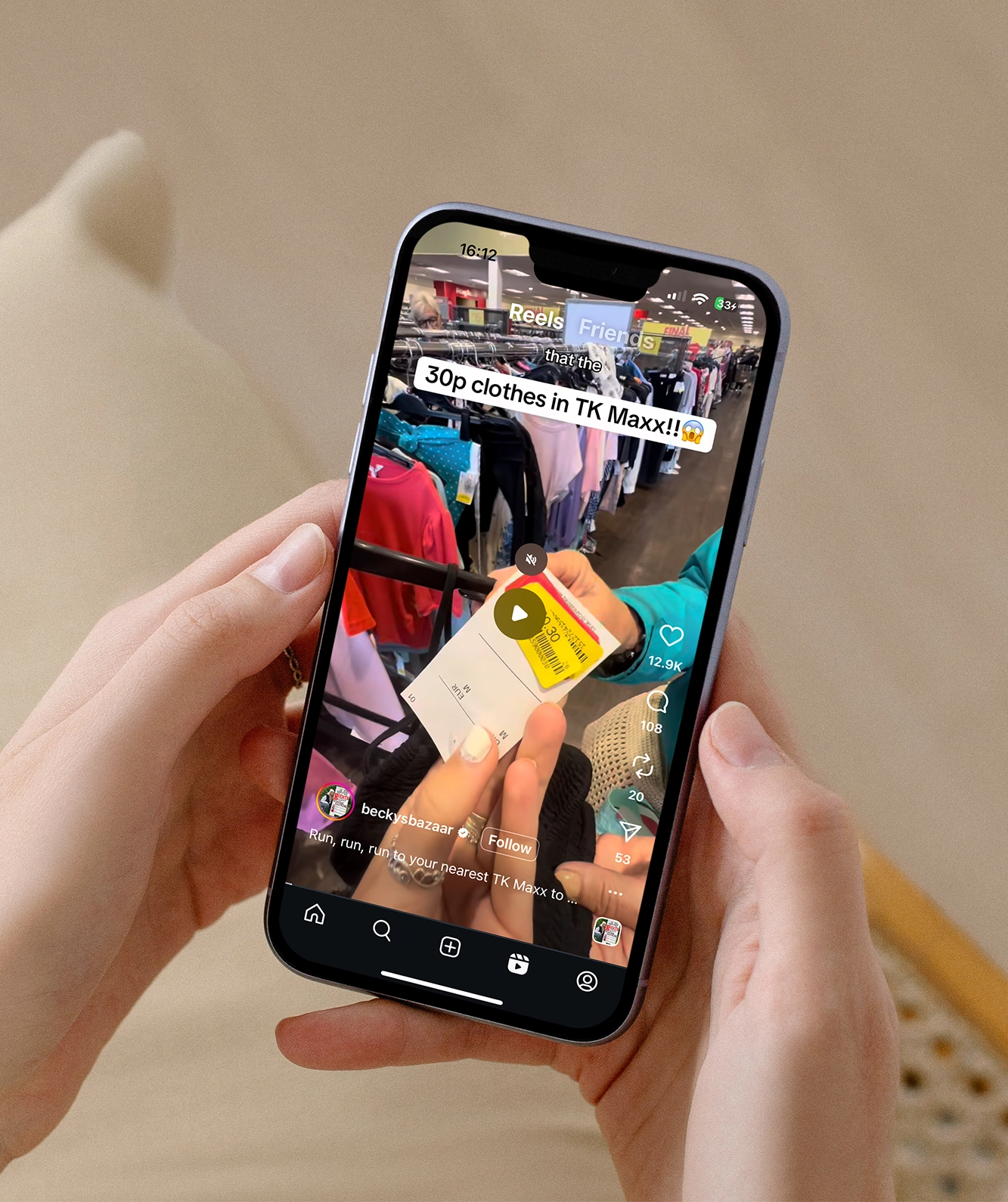
TK Maxx
The retailer’s biannual ‘yellow sticker sale’ became a social media sensation, with bargain hunters sharing their finds online and influencers amplifying the excitement. The campaign drove footfall and created a sense of urgency, demonstrating the power of real-time social engagement.
Why Gen Z is the Current Obsession
Born between the mid-90s and early 2010s, Gen Z now holds significant buying power and cultural influence. They’re digital natives, fluent in meme culture, driven by values and deeply sceptical of anything that feels inauthentic.
Naturally, brands want in. And for good reason, this generation is shaping what’s next. But the challenge lies in doing it without alienating older Millennials, Gen X or Boomers, many of whom still drive the bulk of spending.
Odd Muse London
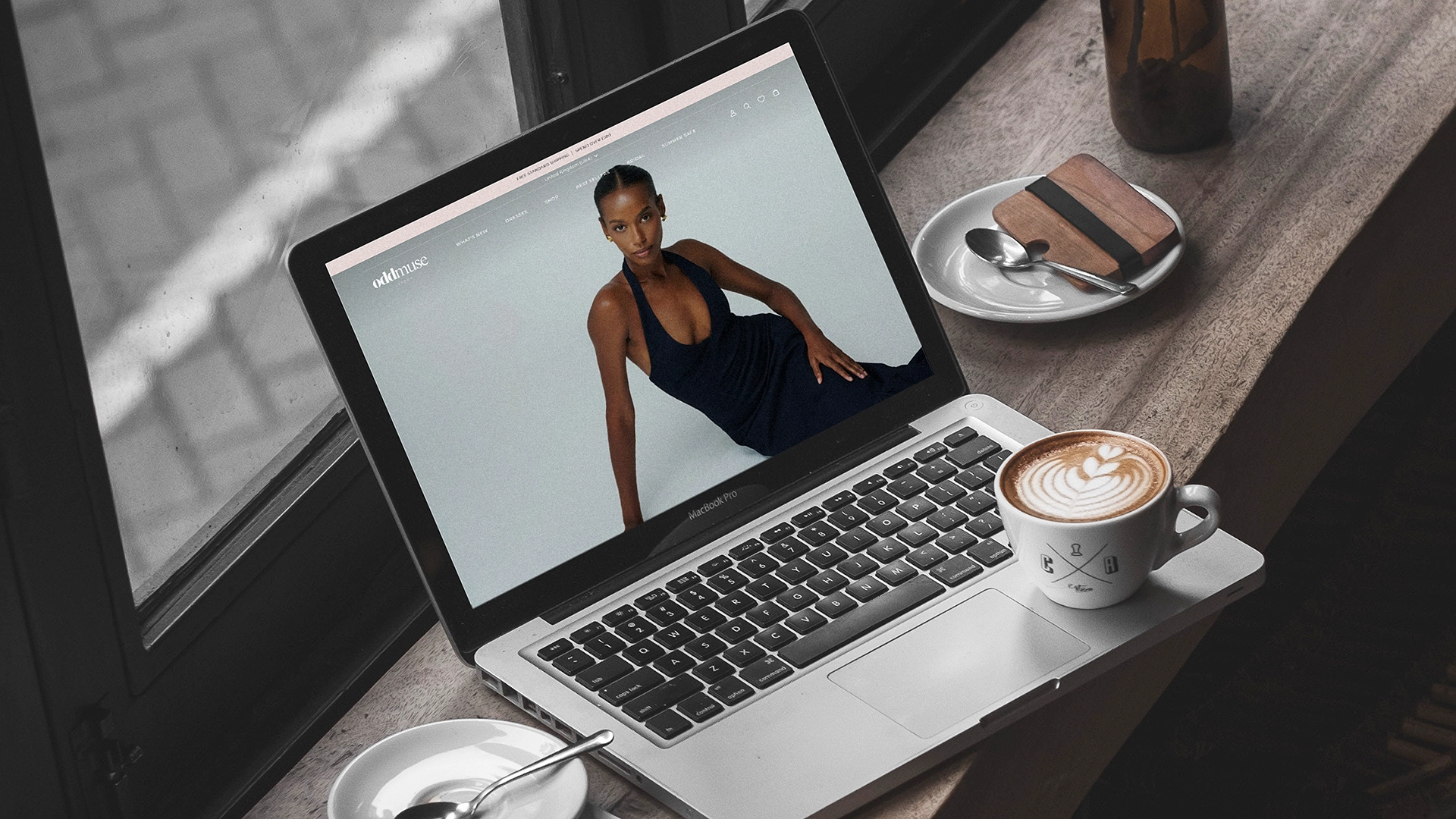
This fashion brand leveraged TikTok to showcase its ‘affordable luxury’ clothing. Through authentic, relatable content, Odd Muse amassed 17 million likes and 530,000 followers, translating social engagement directly into £22.5 million in sales (2024 data). This highlights how compelling content can turn followers into customers quickly.
Spar UK
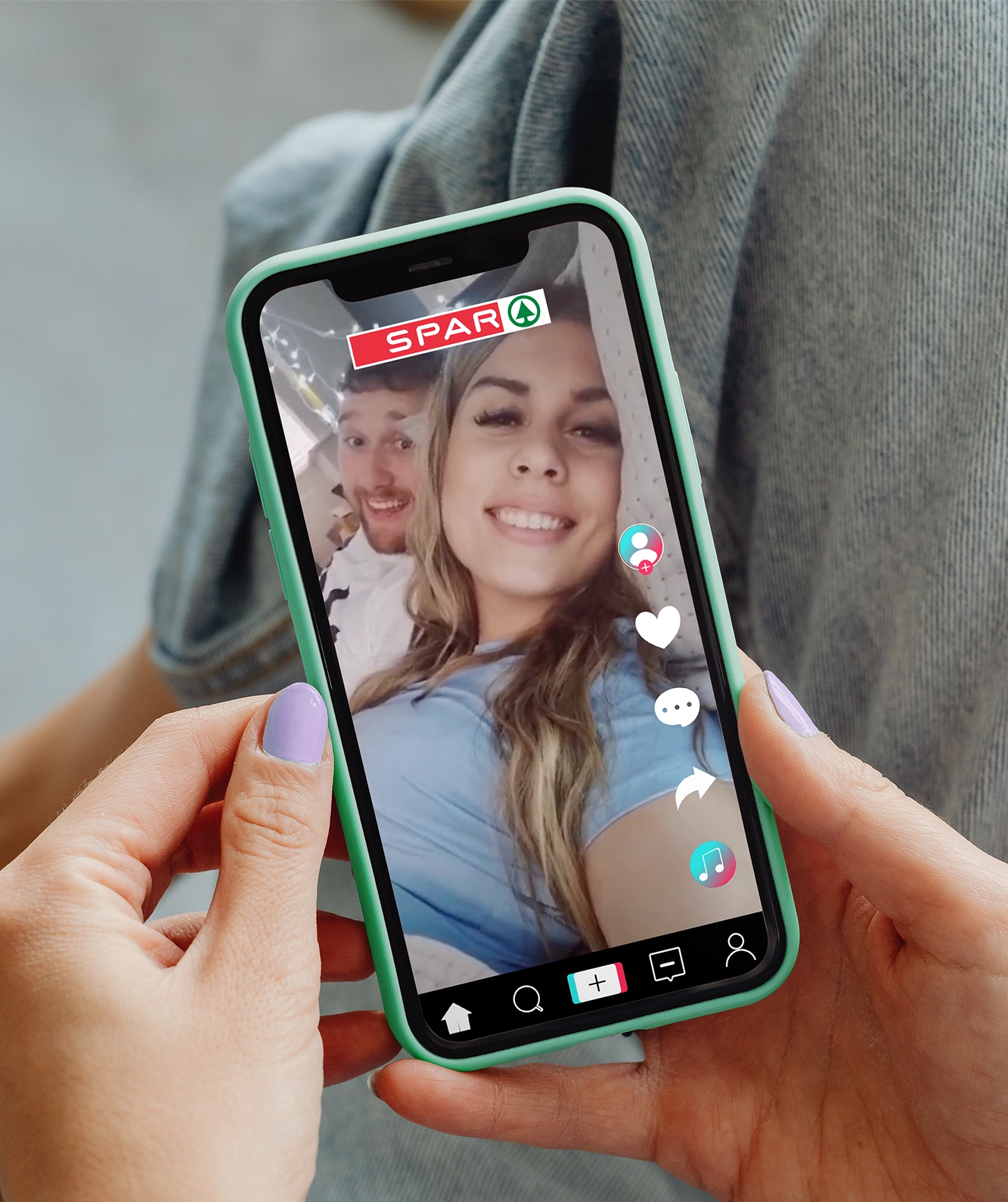
Spar partnered with both macro and micro-influencers via the TRIBE platform to promote its “Make it Your Night In” campaign. Creators showcased Spar products in relatable, everyday settings, building community and driving awareness. The campaign demonstrates how supermarkets can use social-first content to foster engagement beyond traditional promotions.
But here’s the crucial point: you don’t have to be a retailer to take lessons from this. Businesses of all kinds can adopt the principles of social-first marketing to drive results.
1. Make it interactive
Social content works because it invites engagement. Polls, Q&As or behind-the-scenes snippets can all build trust and relatability, even for service-led businesses.
2. Be discovery-led
In retail, most purchases start with a scroll. For B2B, the same applies – a short video, thought-provoking graphic or micro-story can put your brand on someone’s radar before they even know they need you!
3. Lean into community
Retail brands thrive when they turn followers into advocates. The same is true for any sector – creating shareable, human-centred content gives your audience reasons to talk about you.
4. Prioritise authenticity
Highly produced, corporate-style videos are losing ground to authentic, lo-fi content that feels “real.” This trend extends far beyond fashion or beauty, it’s a shift in how audiences expect to connect with brands.
The Platform Trap
A lot of these missteps come down to misunderstanding the platform. What lands on TikTok won’t always translate on X, Instagram or YouTube. Each platform has its own tone, community norms and unwritten rules.
For example:
Maybelline’s viral video of a mascara tube riding the London Underground was quirky, surreal and perfectly pitched for TikTok. It didn’t need to say anything, the visuals did the work.
Duolingo’s TikTok persona is bold, bizarre and brilliantly on-brand. But they don’t try to replicate that exact tone across their email marketing or LinkedIn content, they adapt.
The British Library, unexpectedly, is a masterclass in multigenerational social content – using wit and history to engage everyone from Gen Z students to Boomers with a love for classic literature.
In short, success lies in platform-first thinking, not generation-first generalisation.
The future of marketing is being shaped in the shopping basket, but its lessons are universal. Whether you’re selling sofas, financial services or specialist B2B solutions, your customers are spending more time than ever on social… and they expect you to meet them there.
At Cool Blue, we help brands translate these fast-moving trends into tailored strategies that drive awareness, engagement and action. Because whether it’s a click, a scroll or a buy, the principle remains the same: social-first is business-first.
Want to explore how social-first marketing could work for your business?
Get in touch with us today – we’d love to help you turn trends into tangible results.
Get in touch
We’d love to chat!
Selected Works