(Image credit: Renewable UK)
Global Offshore Wind 2026: 5 Key Takeaways from an Industry Focused on Delivery
The offshore wind industry has spent much of the past decade proving what’s possible. At Global Offshore Wind 2026, the conversation shifted towards proving what is practical.
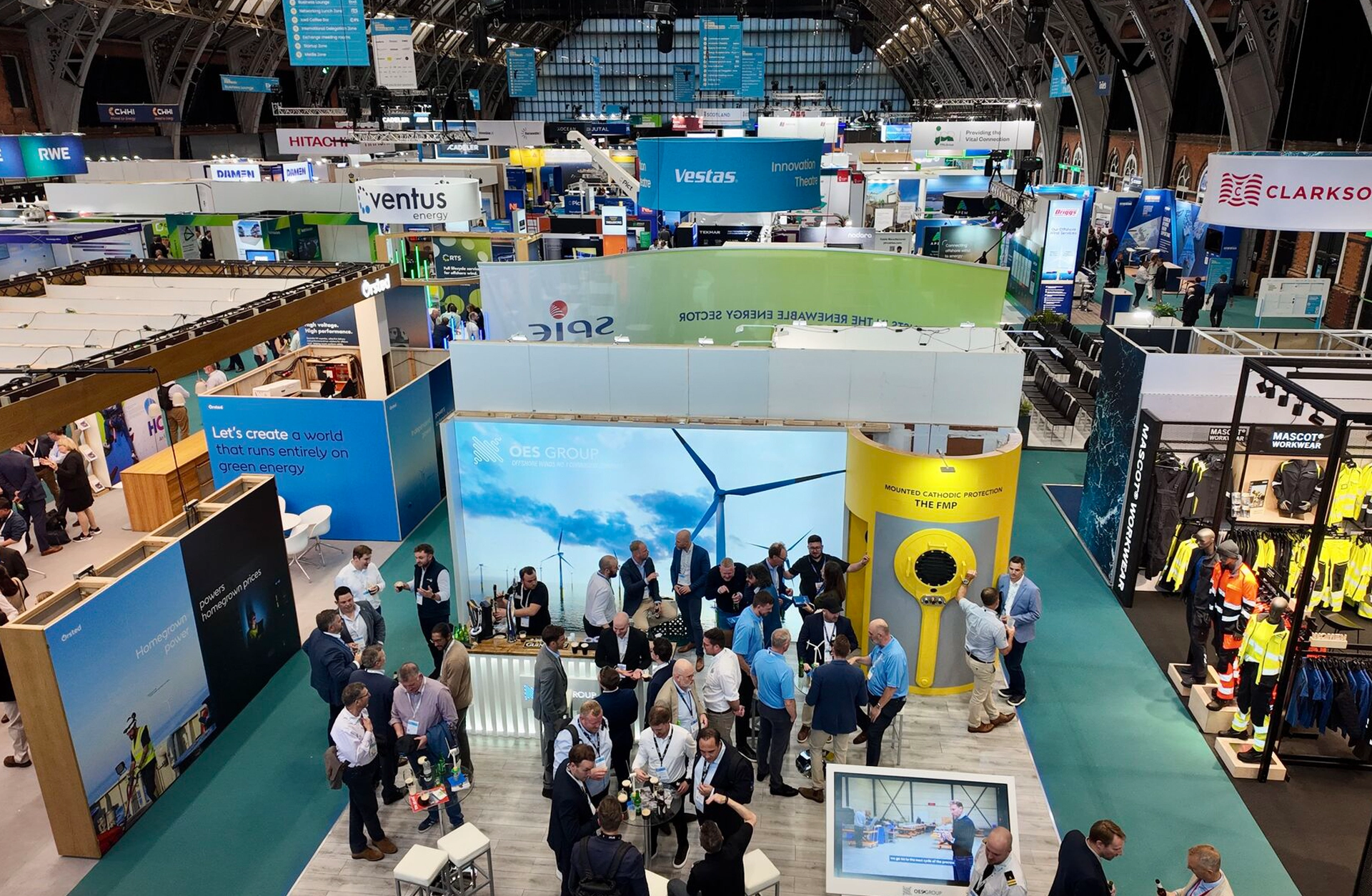
Held in Manchester, this year's conference brought together developers, manufacturers, policymakers and supply chain businesses at a critical moment for the sector.
Among those attending were several of Cool Blue's client partners, including Steel River Quay, reflecting the breadth of organisations helping to shape the future of offshore wind.
With global offshore wind capacity now standing at around 92GW and forecast to reach more than 230GW by 2030, the opportunity remains significant. The UK alone has a record 11.5GW currently under construction, while around £80bn of capital investment is expected to flow into UK offshore wind projects over the next five years.
Against that backdrop, five key themes stood out.
1. Policy certainty remains the industry’s biggest priority
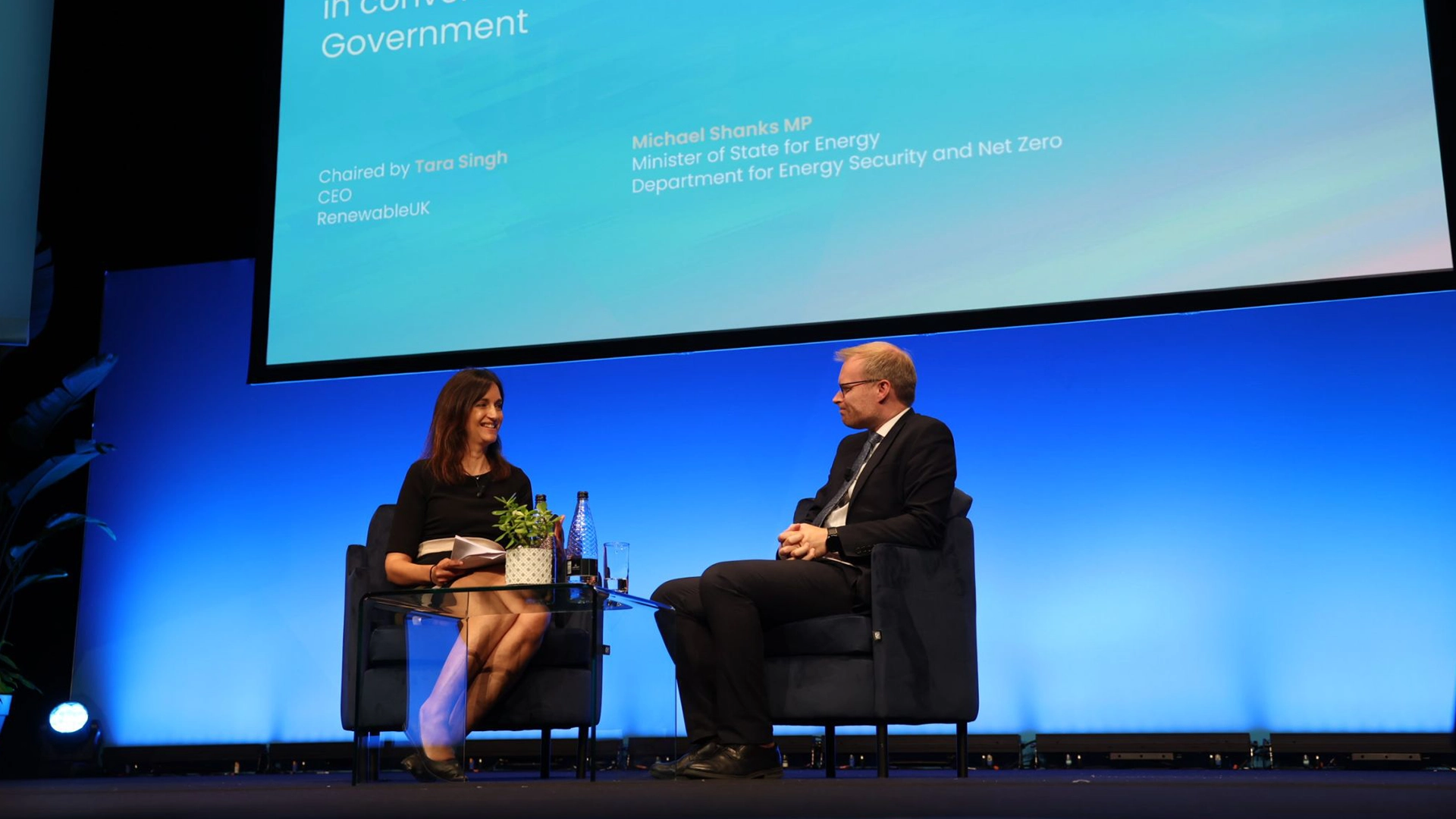
The upcoming Allocation Round 8 (AR8) of the Contracts for Difference scheme was a major talking point, with industry leaders calling for greater certainty around future offshore wind deployment. Businesses investing in facilities, equipment and skills need confidence in future auction rounds, project pipelines and long-term policy commitments before committing capital. The discussion reflected a sector increasingly focused on delivery and long-term investment.
For organisations across the supply chain, demonstrating credibility and long-term value will be key to maintaining investor and stakeholder confidence.
(Image credit: Renewable UK)
2. The focus is shifting from projects to industrial growth
One of the strongest messages from GOW26 was that offshore wind is increasingly being viewed through an economic lens as well as an energy one.
The Offshore Wind Growth Partnership’s Industrial Growth Fund has identified a £2.2bn UK supply chain investment pipeline, while initiatives such as the North East’s 10-year development strategy and Cornwall’s £30m Kernow Industrial Growth Fund demonstrate how regions are positioning themselves to attract investment and create jobs.
As competition for investment intensifies, organisations must communicate what they do, as well as the wider economic impact they create.
3. Grid infrastructure is moving up the agenda
Discussions around North Sea grid development reflected growing concern that transmission networks could become a bottleneck to future growth.
Industry leaders called for greater coordination between governments, regulators and system operators to ensure grid infrastructure develops at the same pace as generation projects.
As infrastructure projects become larger and more complex, stakeholder engagement and public understanding will play an increasingly important role in securing support.
4. Floating wind is entering a critical stage of development
Floating wind featured prominently throughout GOW26, but the discussions were notably grounded in realism.
Many projects currently in development are still demonstrators, with limited standardisation across the technology. Unlike fixed-bottom offshore wind, where decades of deployment have created established processes and supply chains, floating wind often requires bespoke engineering solutions for individual projects.
Building confidence in the technology among investors, policymakers and supply chain partners will be critical as the sector moves towards commercial deployment.
5. Collaboration will define the next phase of growth
Innovation remained a major theme throughout the conference, highlighted by the launch of the UK's new Offshore Wind Innovation Hub which reinforced the importance of collaboration across the sector.
From supply chain development to skills and innovation, many of the sector’s biggest challenges require organisations to work together. Those partnerships are becoming increasingly important in demonstrating capability, building trust and driving growth.
Looking ahead
The mood at GOW26 was positive, but also pragmatic. The industry's growth story is already well established. The challenge now is creating the conditions that allow that growth to continue.
Across all five themes, one common thread emerged: confidence. Confidence to invest, confidence to innovate, confidence to collaborate and confidence to deliver.
For organisations operating across the offshore wind sector, communications have an important role to play in building that confidence. Whether attracting investment, engaging stakeholders, supporting regional growth or explaining emerging technologies, clear and credible communications can help turn ambition into action.
At Cool Blue, we work with organisations across offshore wind, renewable energy and infrastructure to tell those stories, build trust and support long-term growth. If you’d like to discuss how strategic communications can support your business objectives, get in touch with our team today.
Get in touch
Selected Works