The Second-Screen World Cup: Why Attention Has Become the Ultimate Trophy for Brands
Every four years, the FIFA World Cup captures the world’s attention.
Or at least, that's the traditional view.
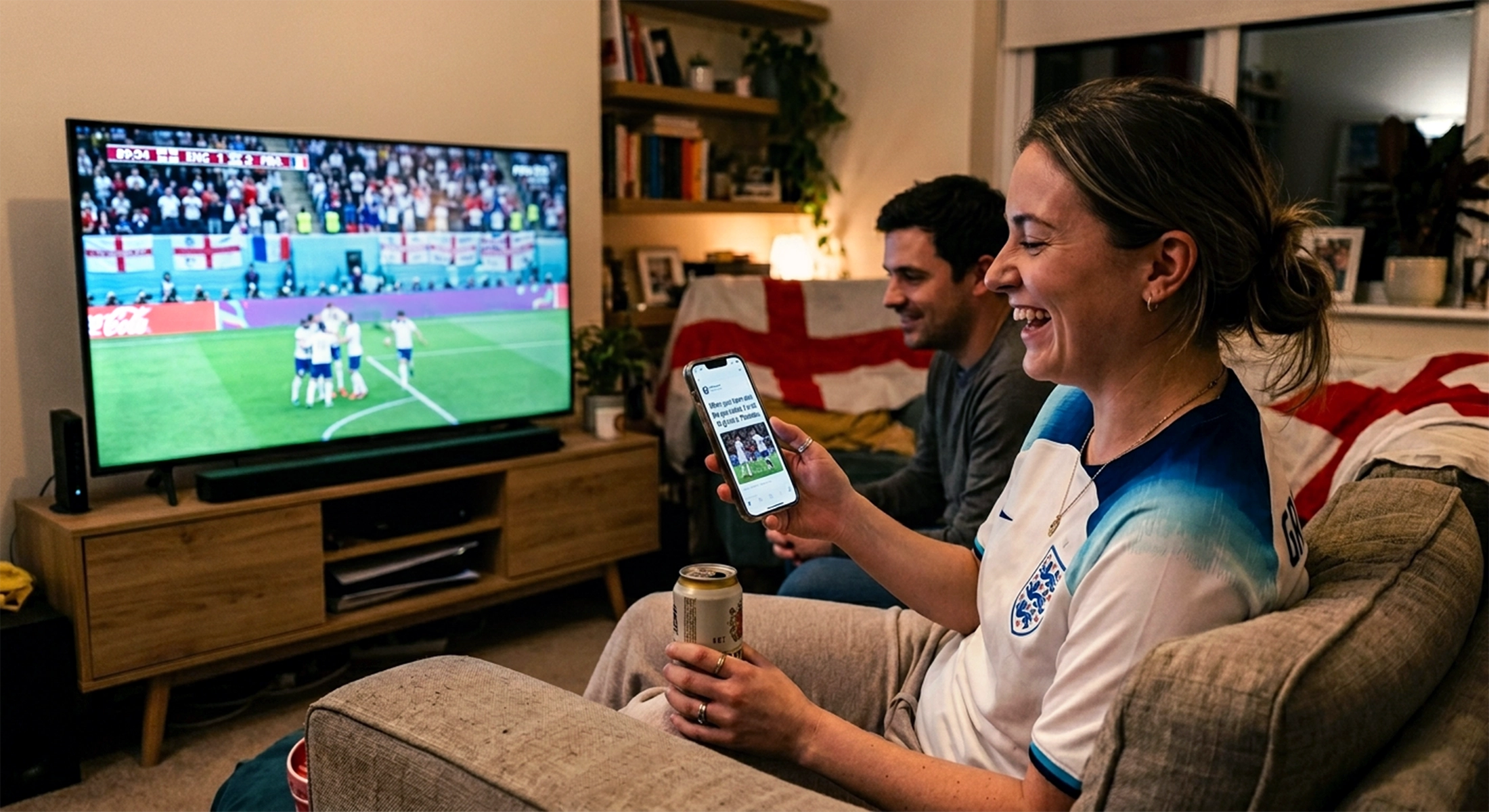
In reality, today’s audiences aren’t simply watching the action unfold on a single screen. They’re scrolling through social feeds, messaging friends, checking statistics, posting reactions and consuming highlights, often simultaneously.
The World Cup may still be the main event, but it’s now sharing the stage with a host of digital distractions. For brands, that shift presents both a challenge and an opportunity.
The Age of Fragmented Attention
The days of audiences sitting through 90 minutes of uninterrupted viewing are largely behind us. Modern consumers are increasingly accustomed to engaging with multiple channels at once, moving seamlessly between television, social media, messaging apps and online content.
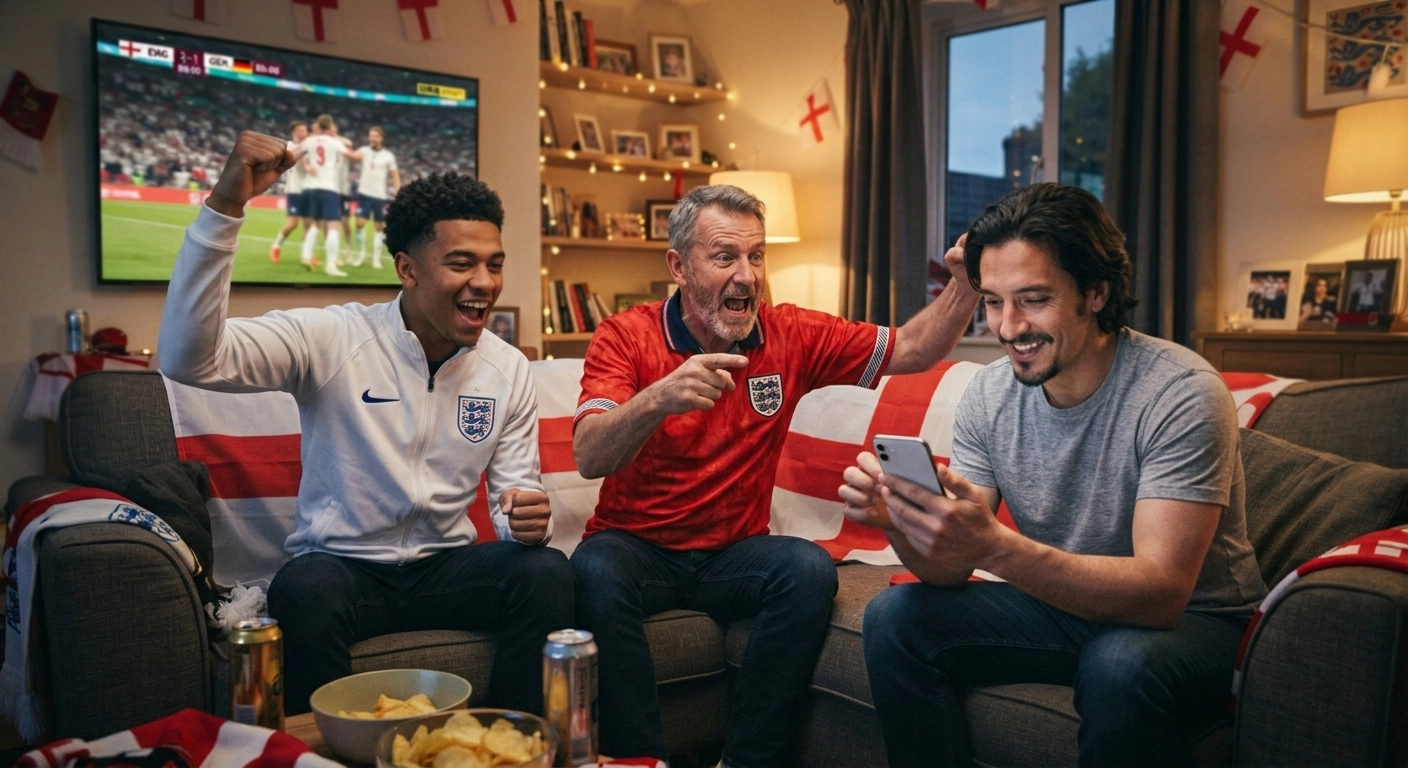
Major sporting events like the World Cup amplify this behaviour. A dramatic goal can spark thousands of social posts within seconds. A controversial refereeing decision becomes a trending topic before the replay has finished. For many fans, the conversation surrounding the match is almost as important as the match itself.
As a result, brands are no longer competing solely for airtime. They’re competing for attention.
Why Sponsorship Isn't the Only Route to Success
Historically, visibility during global sporting events was largely reserved for official sponsors with substantial budgets. While sponsorship remains valuable, the rise of social media has created new ways for brands to participate in cultural moments.
Some of the most memorable brand interactions during major tournaments have come from organisations without official partnerships.
Instead, they’ve succeeded by responding quickly, understanding audience sentiment and contributing something entertaining, relevant or useful to the conversation.
During the 2022 FIFA World Cup, Specsavers generated significant engagement through its trademark reactive marketing approach. Following a series of high-profile refereeing controversies and VAR debates, the brand published several tongue-in-cheek social posts centred on its long-running “Should’ve gone to Specsavers” platform.
By leaning into conversations that football fans were already having, the brand achieved widespread organic reach and media coverage without spending millions on tournament sponsorship.
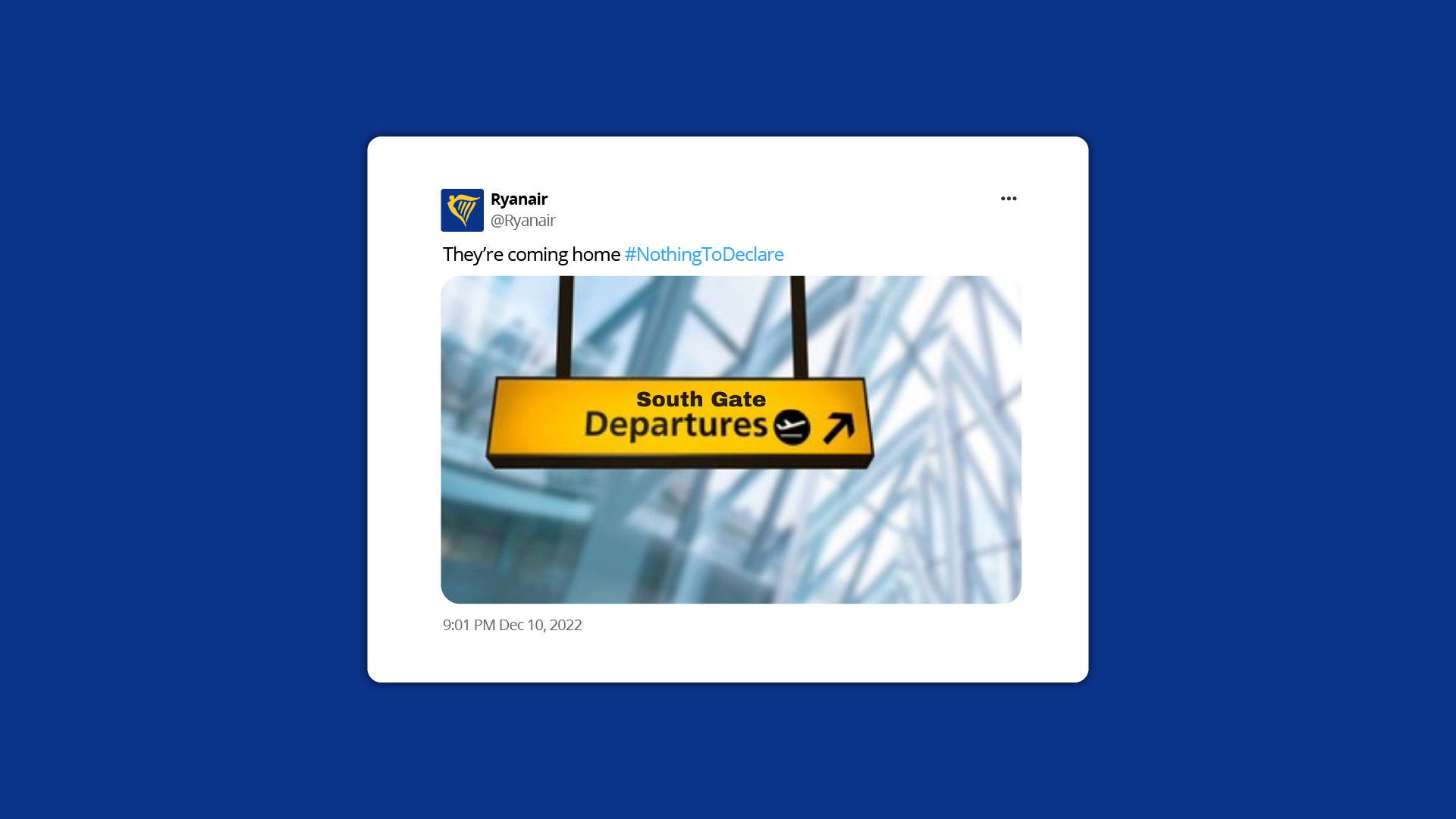
Similarly, Ryanair used the 2022 World Cup as another opportunity to showcase the social media personality that has helped make it one of Europe’s most talked-about brands. Through a stream of memes, match reactions and playful commentary tied to tournament storylines, the airline inserted itself into football conversations in real time. The content rarely focused on flights.
Instead, it centred on entertainment, proving that brands can earn attention by understanding internet culture and contributing to it authentically.
The lesson is clear: being part of the discussion can be just as powerful as having your logo pitch-side.
Real-Time Relevance Matters
The speed of modern communications means opportunities can emerge and disappear within hours, sometimes minutes.
Brands that perform well during major cultural moments tend to share several characteristics. They have clear approval processes, a strong understanding of their audience and the confidence to respond quickly when opportunities arise.
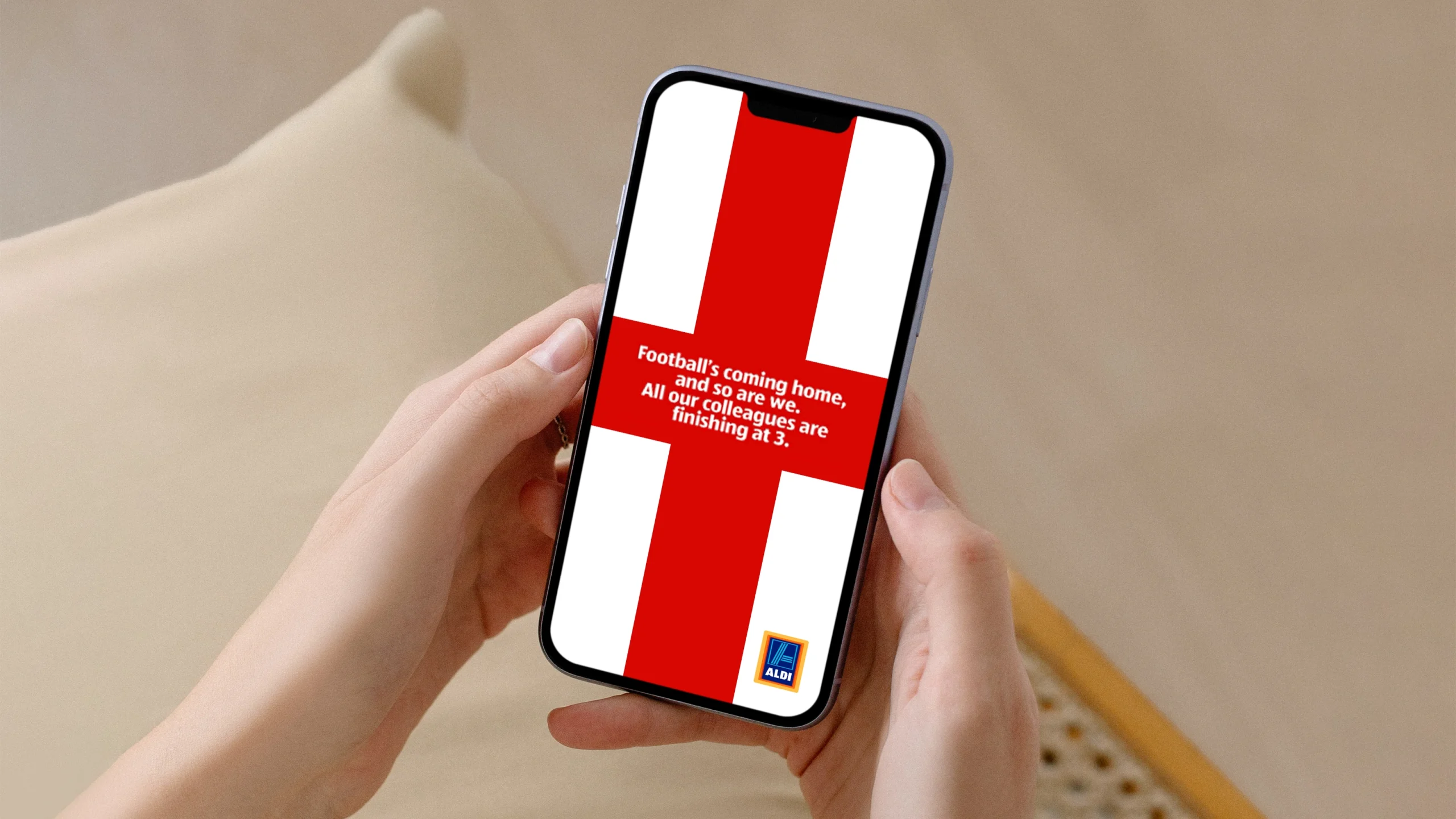
Aldi UK has become particularly adept at this approach during major sporting events. Throughout recent international football tournaments, the supermarket has consistently used reactive social content to tap into fan conversations, celebrate key moments and playfully engage with wider cultural trends. Crucially, the content remains unmistakably Aldi, reinforcing the brand’s personality while earning engagement far beyond its own follower base.
However, relevance should never come at the expense of authenticity. Audiences are increasingly adept at spotting content that feels forced or opportunistic.
The most effective communications align naturally with a brand’s values, products or expertise – not every trending topic needs a brand response.
Aldi’s approach highlights an important distinction: successful reactive marketing isn’t simply about being fast. It’s about being recognisable. The brands that win attention during cultural moments are often those with a clear tone of voice and the confidence to use it consistently, even when responding in real time.
Beyond the Final Whistle
Perhaps the most important lesson from today's World Cup is that attention doesn’t begin and end with the event itself. The conversations that surround major cultural moments often start weeks before kick-off and continue long after the trophy has been lifted. Anticipation, debate, reaction and analysis all create opportunities for brands to engage with audiences in meaningful ways.
This reflects a broader shift in consumer behaviour. Increasingly, people don’t just consume events. They participate in them, comment on them and help shape the narratives around them. For communicators, that means thinking beyond traditional campaign timelines and embracing a more agile approach to audience engagement.
The Takeaway
The modern World Cup isn’t simply a sporting event. It’s a real-time, multi-platform conversation taking place across countless screens and communities. For brands, success is no longer determined solely by media spend or sponsorship rights. It’s increasingly defined by the ability to earn attention, contribute value and connect with audiences in the moments that matter.
In a world where every brand is competing for a share of the conversation, attention has become the ultimate trophy. The winners won’t necessarily be those with the biggest budgets, but those who understand how people experience culture today.
Let’s Make it Matter
Want to understand how your brand can cut through the noise and connect with audiences during key cultural moments? At Cool Blue, we help brands create communications strategies that capture attention, spark conversations and deliver lasting impact.
At Cool Blue, we help brands move beyond output and into impact. We shape ideas, build cultural relevance and create marketing that doesn’t just show up, it stands out.
Get in touch to find out how we can help your brand stay part of the conversation, let’s talk!
Get in touch
Selected Works